14K 18K 24K pure gold, Today's Gold Prices
14K 18K 24K pure gold, Today's Gold Prices
As of August 19, 2024, gold prices have shown significant fluctuations, maintaining their value across different purities. The price of gold varies depending on its purity and weight, with higher purity generally commanding a higher price. Currently, the price of 1 don (3.75g) of gold in Korea is as follows:
- 24K pure gold (1 don): 458,000 KRW
- 18K gold (1 don): approximately 294,000 KRW (labor cost may vary by product)
- 14K gold (1 don): approximately 228,000 KRW (labor cost may vary by product)
- Platinum: 180,000 KRW
- Silver: 5,520 KRW
These gold prices are determined by various economic factors and are influenced by a wide range of global economic conditions. In this article, we will explore the current status and outlook of both domestic and international gold prices, as well as various methods of investing in gold.
Today's Gold Prices: Domestic and International
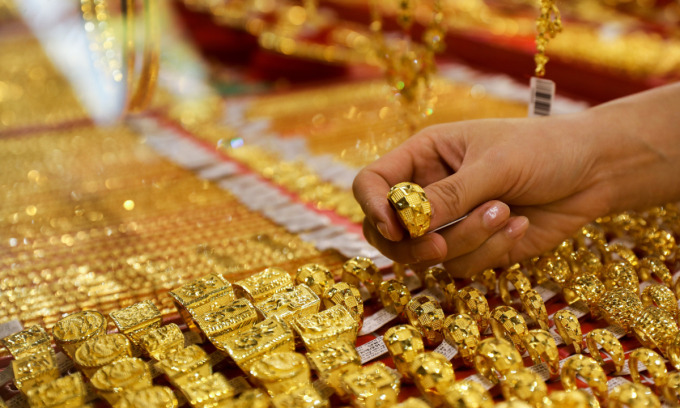
Today, gold prices serve as an important indicator both domestically and internationally. Domestic gold prices are primarily determined by markets like the Korea Gold Exchange, while international prices are based on the London Gold Fixing price. Korean gold prices are closely linked to international prices, meaning that global economic conditions have a direct impact on domestic gold prices. For example, fluctuations in the strength or weakness of the U.S. dollar, changes in interest rate policies by major central banks, and other factors can all influence gold prices.
Gold prices in Korea fluctuate daily, and international gold prices also change on a daily basis. Recently, gold prices have shown a steady upward trend, but due to the high volatility caused by economic conditions, investors need to closely monitor price movements.
Gold Price Outlook
The future outlook for gold prices is expected to be influenced by several factors. While the price of gold is fundamentally governed by the laws of supply and demand, this extends beyond just the physical supply and demand of gold. Gold is often considered a safe-haven asset in times of global economic uncertainty, which means that during periods of economic instability, demand for gold increases, driving up prices.
Gold Production and Demand
Global gold production is limited. Major gold-producing countries include China, Russia, Australia, Canada, and the United States, and production levels in these countries directly impact gold prices. On the demand side, gold is primarily used in the jewelry industry, electronics, and as an investment asset. In recent years, as global economic uncertainty has grown, demand for gold as a safe-haven asset has increased.
Global Economic Uncertainty
Global economic uncertainty has a significant impact on gold prices. Events such as wars, political instability, and economic crises lead investors to buy gold as a safe-haven asset. This drives up gold prices, and if such situations persist, gold prices may continue to rise.
Strength and Weakness of the U.S. Dollar
The U.S. dollar plays a central role in the global economy as the world’s reserve currency. Therefore, fluctuations in the value of the dollar (whether it strengthens or weakens) have a direct impact on gold prices. Generally, a strong dollar tends to lower gold prices, while a weak dollar tends to increase gold prices. This is because gold is primarily traded in dollars. When the dollar's value rises, the relative value of gold decreases, and conversely, when the dollar’s value falls, the relative value of gold increases.
Interest Rate Outlook
Interest rates are another key factor that affects gold prices. When central banks raise interest rates, the cost of holding gold increases, which can reduce demand for gold and cause prices to fall. Conversely, when interest rates are low, the cost of holding gold decreases, increasing demand and potentially driving prices higher. Recently, many central banks around the world have maintained low-interest rates, which has contributed to the rise in gold prices.
Inflation
Inflation is another critical factor in determining gold prices. When inflation occurs, the value of currency decreases, which can increase the relative value of tangible assets like gold. In particular, during periods of high inflation, investors often purchase gold to protect their assets' value, which can lead to a rise in gold prices.
Central Bank Policies
Central banks around the world adjust interest rates or implement policies such as quantitative easing to manage the economy. These policy changes have a direct impact on gold prices. For example, quantitative easing can act as a factor that drives up gold prices, while tightening policies may lead to a decline in gold prices.
Gold Investment Methods
There are various ways to invest in gold, each with its own advantages and disadvantages. Investors can choose the method that best suits their investment goals and risk tolerance.
Physical Gold (Bullion, Coins)
Investing in physical gold involves purchasing gold bullion or coins. This is the most traditional form of investment, offering stability as you own the actual value of gold. However, it also comes with drawbacks such as storage costs and the risk of theft.
Gold Savings Accounts
Gold savings accounts allow you to own gold without physically holding it, as the account is tied to the price of gold. This method offers the convenience of easy transactions and the peace of mind of not needing to worry about storage.
KRX Gold Market
The KRX Gold Market, operated by the Korea Exchange, allows for the trading of physical gold. This market offers investors a relatively safe and transparent platform for trading gold.
Gold ETFs (Exchange-Traded Funds)
Gold ETFs are funds linked to the price of gold and can be traded like stocks. This method is more convenient than directly investing in gold and allows investors to invest in gold with lower costs.
Gold Futures Contracts
Gold futures contracts involve buying or selling gold at a predetermined price on a specific date in the future. This method can offer high returns, but it also comes with significant risks.
Gold-Related Stocks
Investing in gold-related stocks involves purchasing shares in companies that mine or produce gold. As gold prices rise, the value of these companies' stocks is likely to increase.
Gold Funds
Gold funds invest in a diverse range of assets related to gold. This method allows investors to spread their risk while still capitalizing on the potential rise in gold prices.
Conclusion
Today's gold prices are influenced by a variety of factors, and their future outlook must take into account economic uncertainty, interest rate changes, inflation, and other variables. Gold has long been valued by investors as a safe-haven asset and continues to be an important investment vehicle today. If you're considering investing in gold, it's crucial to choose the investment method that aligns with your objectives and risk tolerance, while also conducting ongoing market analysis to prepare for volatility.
Keywords: gold prices, 24K gold, 18K gold, 14K gold, gold investment, dollar strength, inflation, interest rate outlook, global economy, gold ETFs